
Ottobock during the Nazi era.
Continuing in a new political reality.
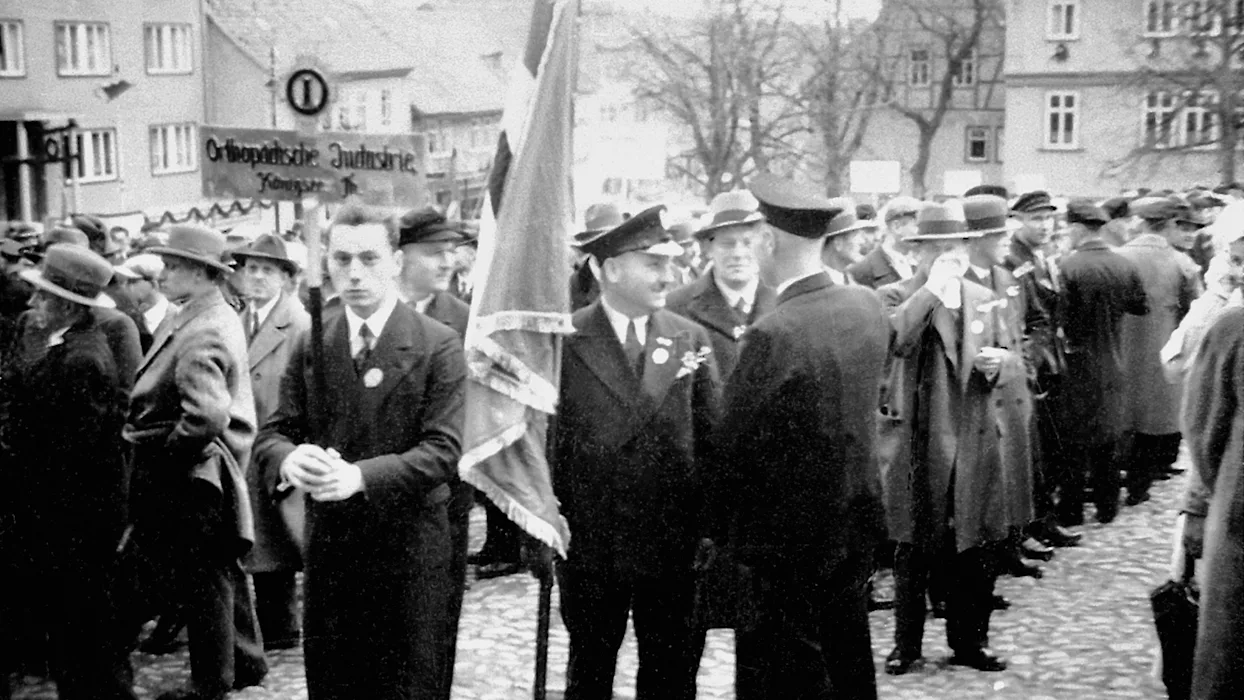
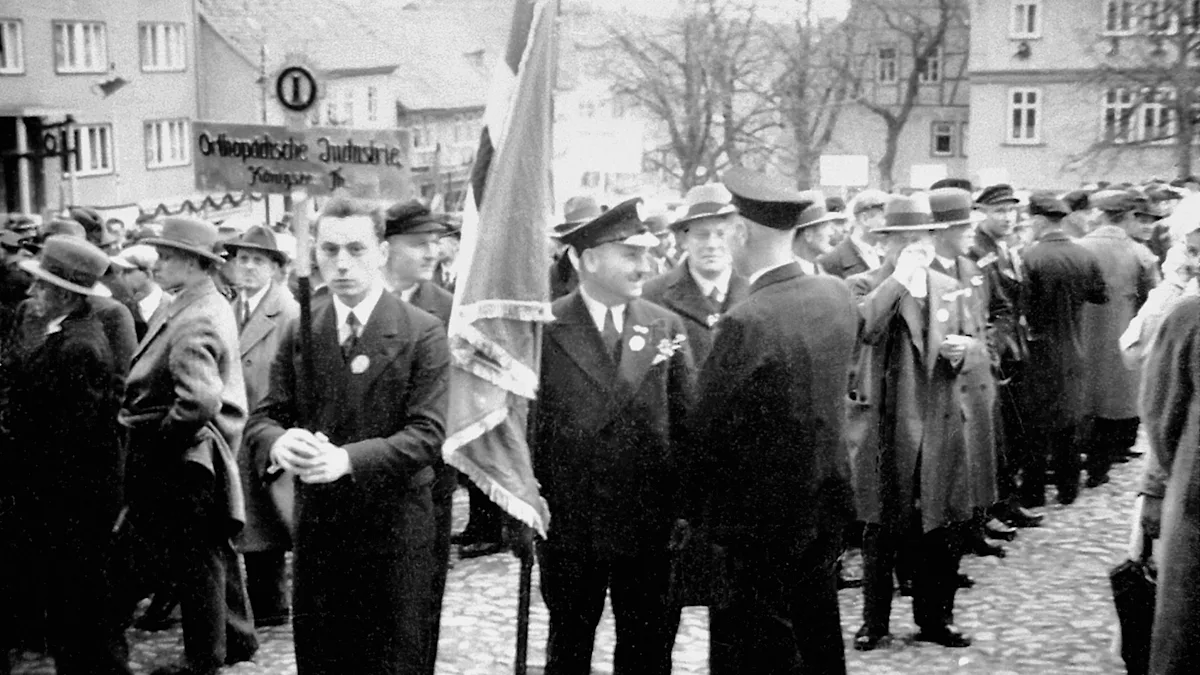
The years between 1933 and 1945 mark the darkest chapter in German history. Ottobock was part of this period. Although only a few records from the years of the Nazi dictatorship have survived that could shed light on the situation and economic development of Orthopädische Industrie Otto Bock, this time remains inextricably linked to Ottobock’s history. Company owner Otto Bock faced political, economic and social conditions that shaped and constrained entrepreneurial action. Despite the company’s fundamentally human purpose - to help restore people’s mobility, quality of life and ultimately dignity – the Orthopädische Industrie Otto Bock, like many businesses of those years, was integrated into the wartime economy of the Second World War.
Ottobock’s role between 1933 and 1945.
During the National Socialist era, the Orthopädische Industrie Otto Bock was based in Königsee. The company was a member of the so-called “Wirtschaftsgruppe Feinmechanik und Optik” and was therefore integrated into the organisational structures of the Nazi state. In those years, it primarily produced orthopaedic components and supports that were supplied indirectly to the Wehrmacht. The company did not manufacture armaments in the narrow sense; nevertheless, it formed part of the National Socialist wartime economy.
Company owner Otto Bock joined the NSDAP in 1933. The surviving sources contain no evidence of an ideologically driven affinity with National Socialism. Rather, the historical study portrays him as an entrepreneur who adapted to the political circumstances and sought to secure the continued existence and economic development of his company, even under the dictates of the dictatorship.
From 1942, the Orthopädische Industrie Otto Bock employed forced labourers from abroad. They were predominantly young women from the Soviet Union. They worked in various production areas and were accommodated in quarters rented by Otto Bock. Towards the end of the war, forced labourers made up more than a third of the workforce.
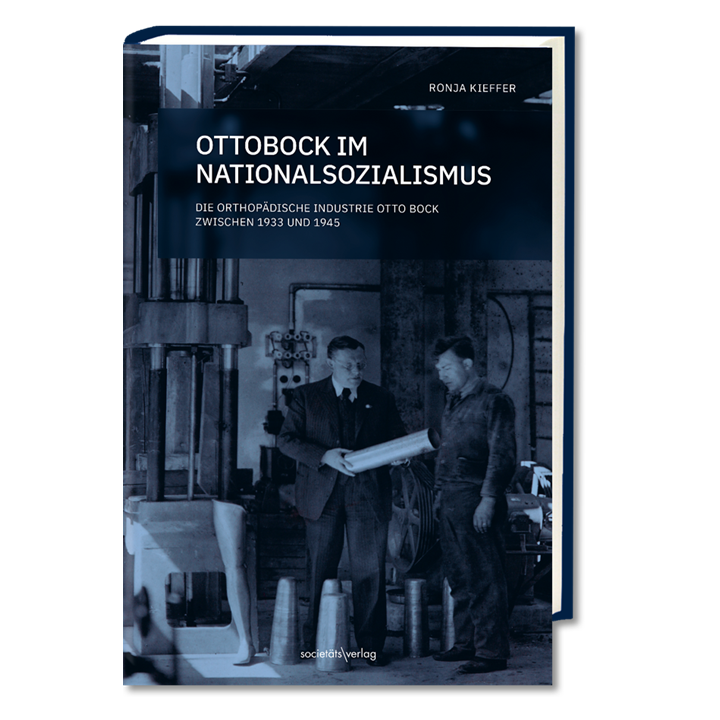
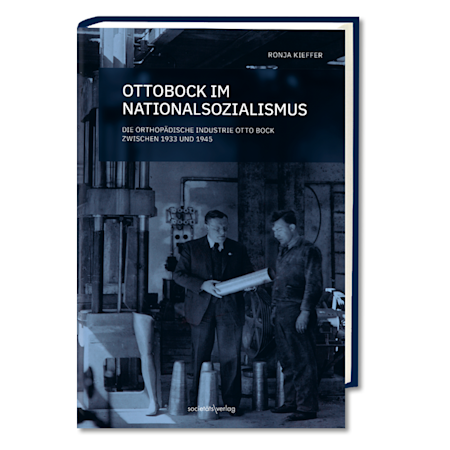
This phase of the company’s history has been examined systematically, independently and through academic research. The study was produced in collaboration with the Society for Business History (GUG) and is based on the evaluation of sources from the company and family archives as well as public archives. The findings are documented in the study “Ottobock under National Socialism: the Orthopädische Industrie Otto Bock between 1933 and 1945”. The aim is to provide a transparent and verifiable historical classification.
Prof. Hans Georg NäderHistory is and remains part of our identity. Openness, transparency and acknowledging our historical responsibility are values that are just as binding for us today as commercial integrity and social responsibility. Addressing our past should also remind us to uphold these values in the present and in the future.

Ottobock im Nationalsozialismus
Die orthopädische Industrie Otto Bock zwischen 1933 und 1945
Publication date: April 2026
Pages: 128
ISBN: 978-3-95542-552-4
Additional topics.
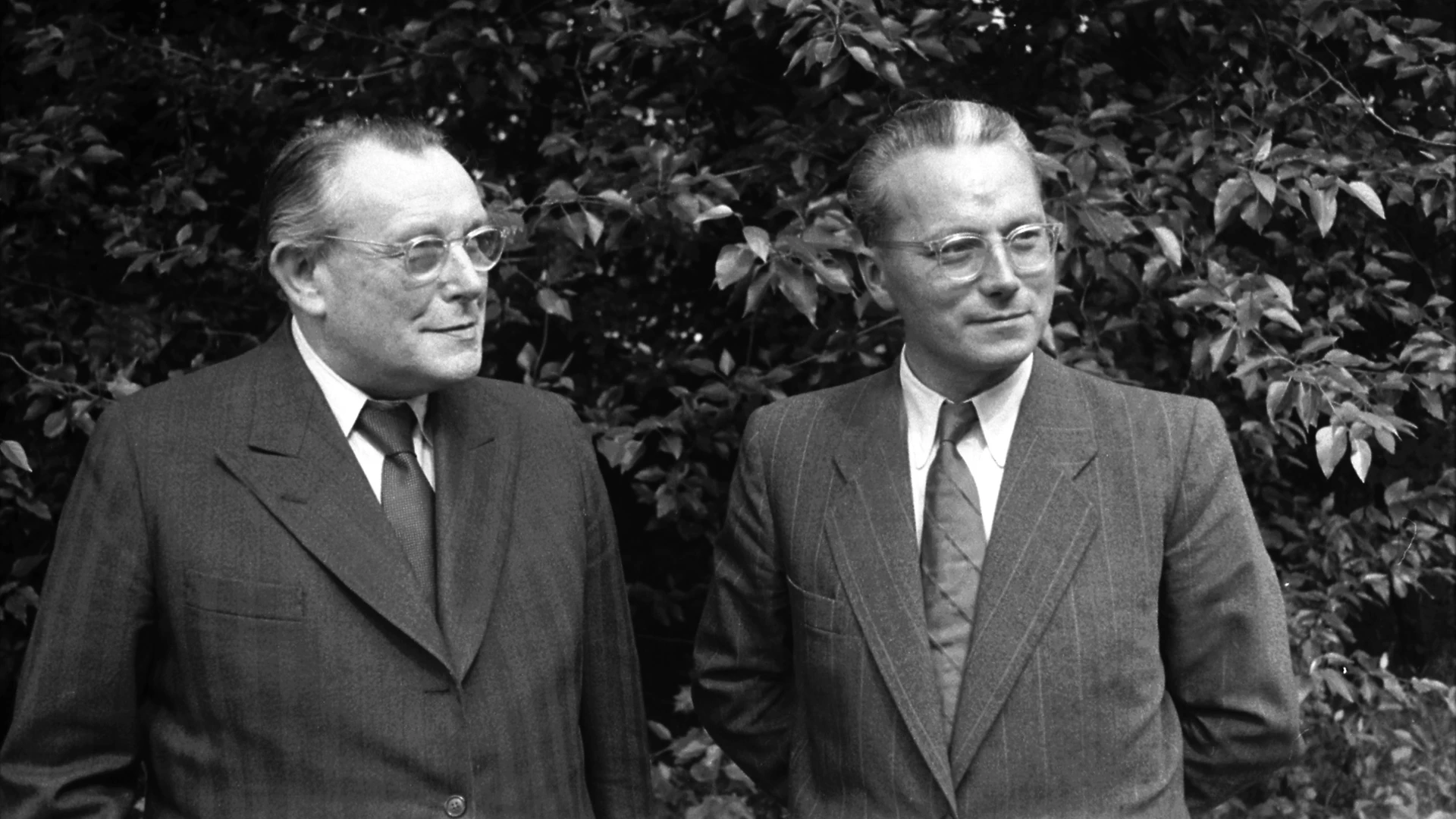
More than 100 years of mobility for people
It all began in 1919 with the founding of a startup by Otto Bock – but through the intervening years, it has fundamentally changed the field of orthopaedic technology.
It all began in 1919 with the founding of a startup by Otto Bock – but through the intervening years, it has fundamentally changed the field of orthopaedic technology.
1 results out of 1